

Loading Dock Concrete Inspection Checklist
Loading dock concrete takes constant abuse from trucks, forklifts, pallet movement, dock equipment, weather, and drainage. A routine inspection can help facility managers catch early damage before it affects safety, loading speed, or daily operations.
Because loading dock areas are used heavily, damage often develops gradually. A cracked dock edge, uneven approach, deteriorated pit area, or drainage problem may not stop operations right away. But over time, these issues can affect truck access, equipment movement, employee safety, and the condition of the surrounding concrete.

Pre-Renovation Checklist for Commercial Warehouse Owners
A commercial warehouse renovation should not start with demolition, cutting, coating, or repair work. It should start with a clear review of the building, the operation, and the problems that need to be solved.
Warehouses are active, working spaces. Floors, docks, doors, walls, access points, handrails, drainage areas, and utility routes all affect how the facility functions every day. If renovation work is planned without looking at the full picture, the project can become more disruptive, more expensive, or less useful than expected.

The Hidden Costs of Delaying Commercial Facility Repairs
Most commercial facility problems start small. A cracked concrete floor, damaged dock edge, loose handrail, uneven surface, or worn coating may not seem urgent at first. The facility still operates. Trucks still come in. Employees still move through the building. Equipment still runs.
That is why many repairs get delayed.
Signs Your Facility Needs Concrete Repair Before It Becomes Urgent
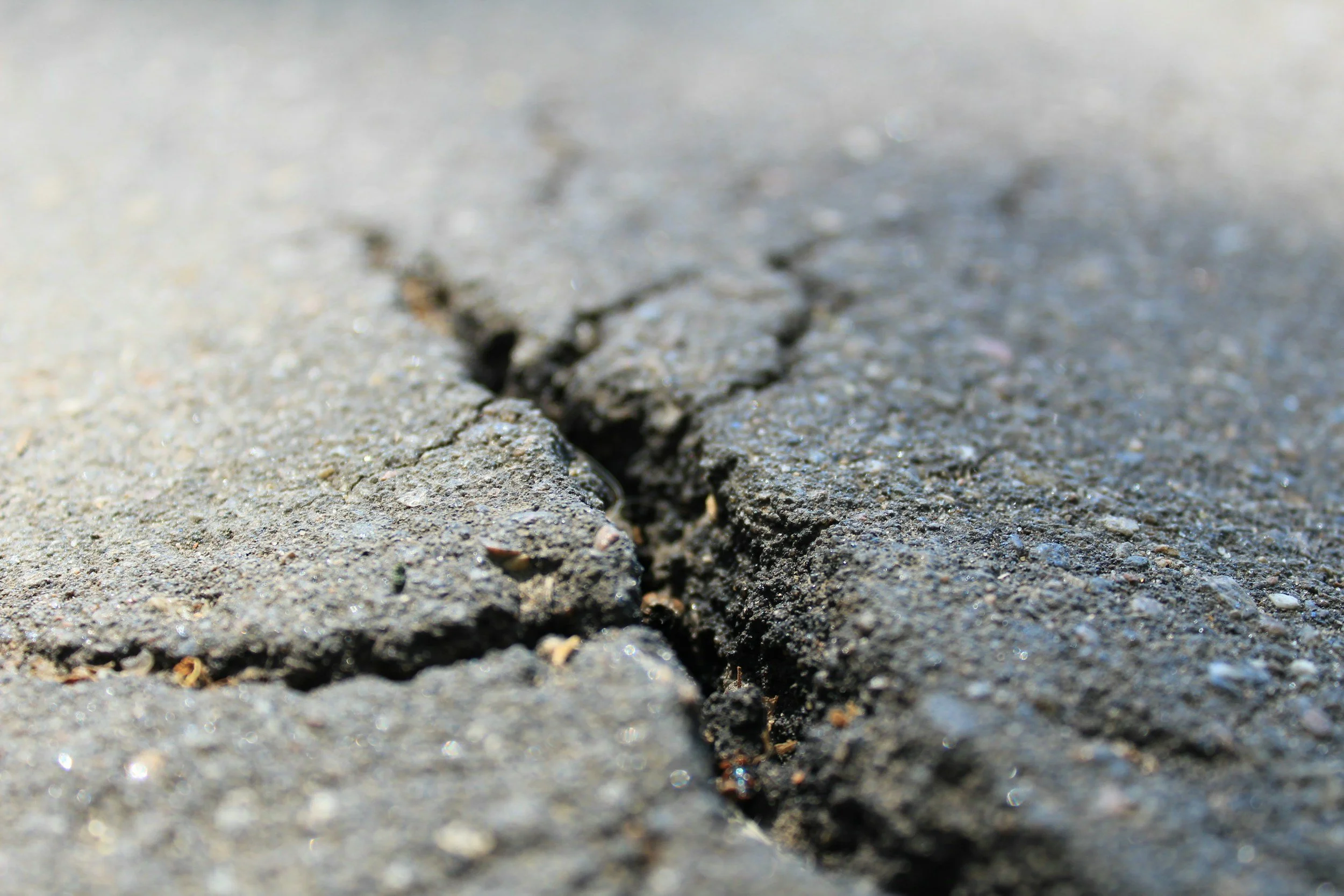
Concrete problems in a commercial facility rarely fix themselves. A small crack, uneven surface, or damaged loading dock area can seem manageable at first, but over time these issues can affect safety, equipment movement, drainage, workflow, and the overall condition of the building.
Wall Sawing for Industrial Conveyor Pass-Thrus and Chutes: Precision Modifications for Automated Facilities
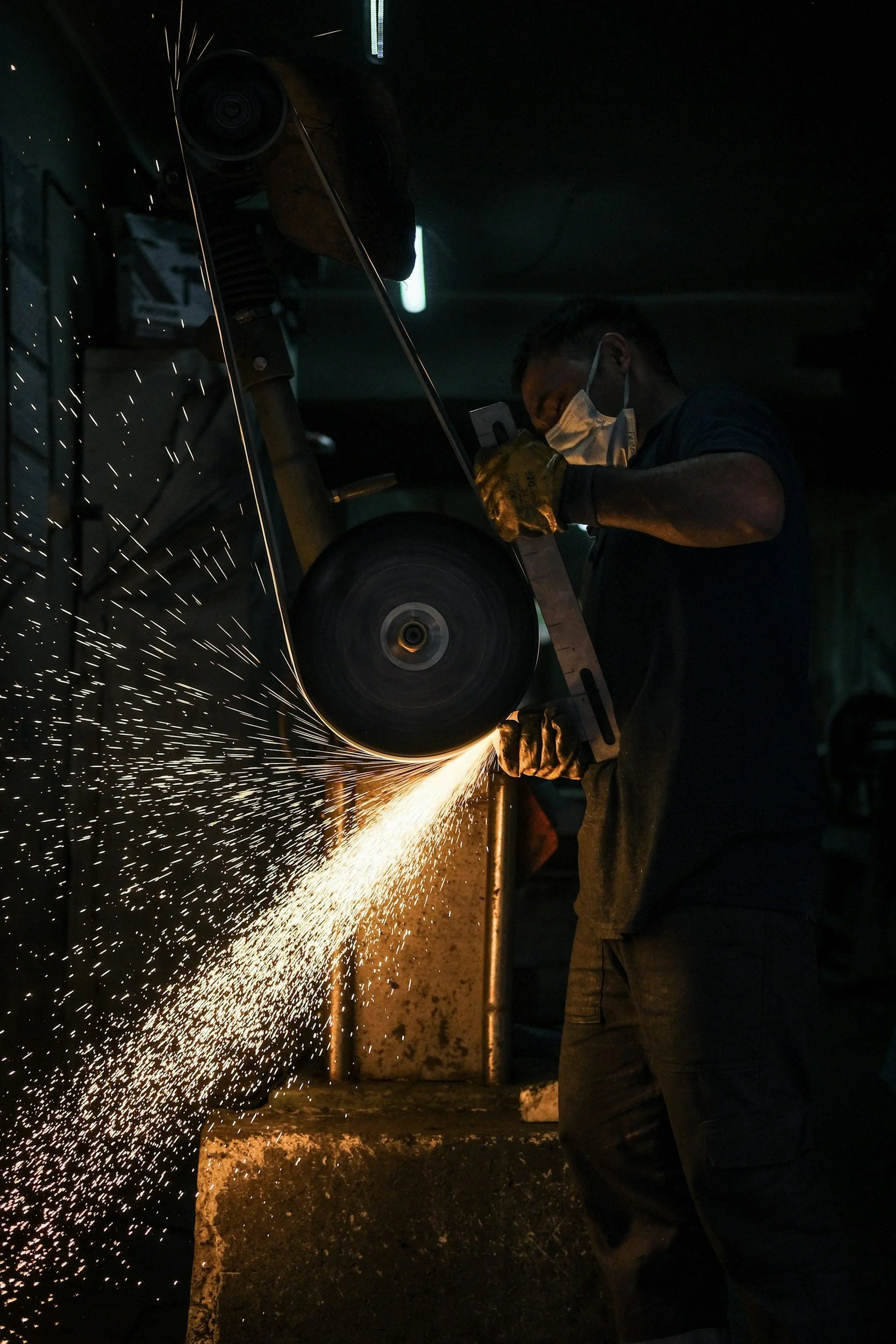
As e-commerce and automated manufacturing continue to evolve, the physical layout of the warehouse must adapt. Often, this requires moving product through structural boundaries—specifically, creating new openings in reinforced concrete or masonry walls to accommodate conveyor systems, gravity chutes, and pneumatic tubes.
In an industrial setting, you cannot simply "knock a hole" in a wall. The structural integrity of the building, the precision required for high-speed conveyor alignment, and the need for dust-free environments make professional wall sawing the only viable solution. At Accurate Maintenance Services (AMS), we specialize in the technical execution of these vertical modifications, ensuring your automation upgrades don't compromise your facility's skeleton.

Restoring Rusted Loading Dock Stairs: Structural Welding vs. Full Replacement
The exterior loading dock is the most hostile environment in any industrial facility. Exposed to rain, snow, road salt, and the physical impact of heavy trailers, metal dock stairs are under constant assault. Over time, what begins as minor surface rust can evolve into a catastrophic structural failure.
For facility managers, the dilemma is often: Do we cut out and replace the entire stair assembly, or can we restore it through professional welding? The answer depends on the depth of the corrosion and the integrity of the anchor points. At AMS, we provide both services, but our goal is always to deliver the most cost-effective, code-compliant solution for your specific site.
The Best Flooring Solutions for High-Traffic Distribution Centers: A Durability Guide
In the world of logistics and supply chain management, the warehouse floor is more than just a surface, it is the foundation of your entire operation. For high-traffic distribution centers, the floor is subjected to relentless abuse: the constant grinding of forklift tires, the weight of multi-ton racking systems, and the occasional chemical spill or impact from fallen pallets.
Choosing the wrong flooring solution doesn't just lead to an ugly aesthetic; it leads to operational downtime, increased equipment maintenance, and significant safety hazards. At Accurate Maintenance Services (AMS), we understand that an industrial floor must be a performance asset. This guide explores the top flooring solutions specifically engineered to withstand the rigors of modern high-volume distribution.
OSHA 1910.29 Compliance: Handrail Load Requirements for Industrial Mezzanines
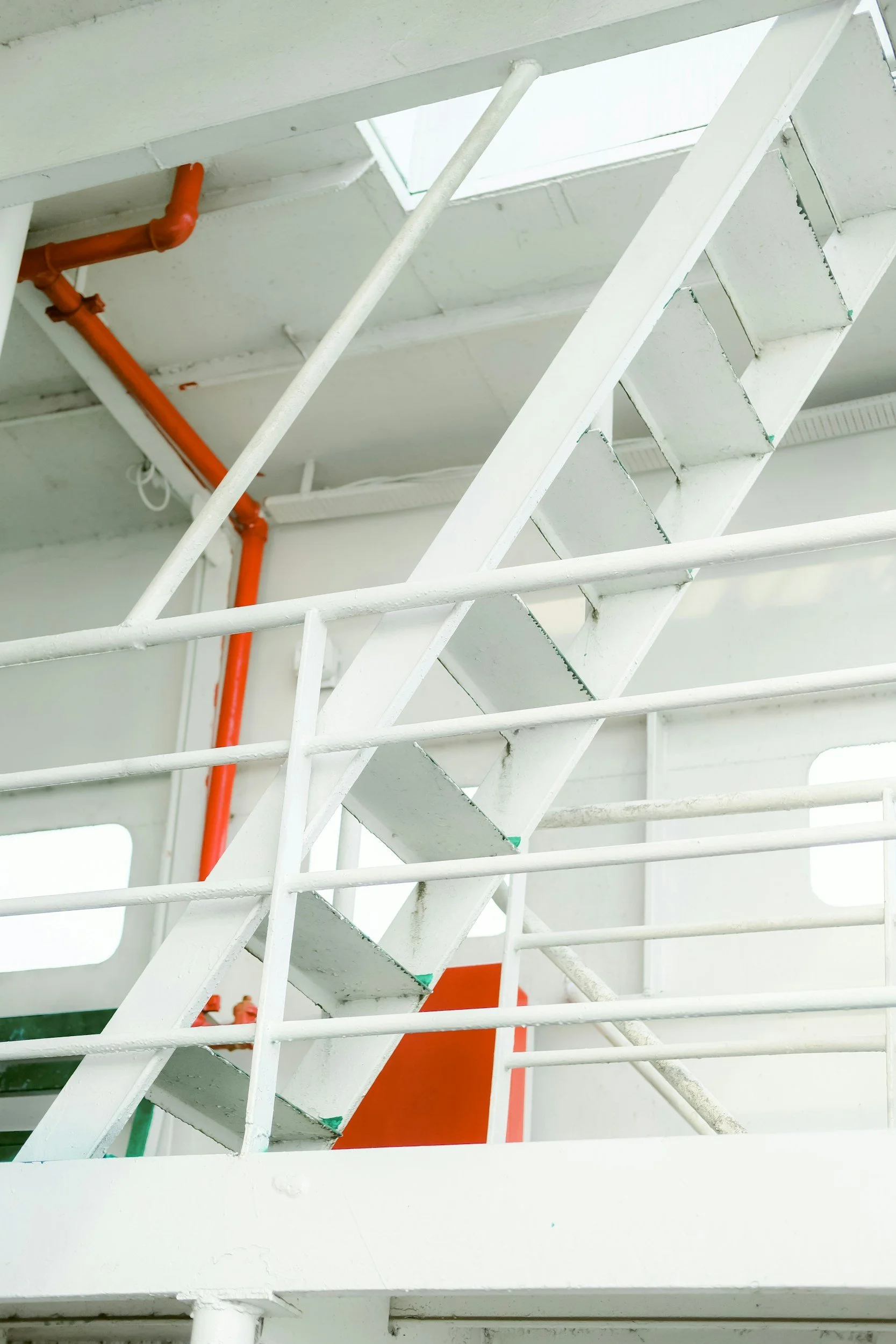
Industrial mezzanines are essential for maximizing vertical cube space in modern warehouses. However, elevating employees 10, 15, or 20 feet above the floor introduces significant liability. Falls remain a leading cause of workplace injuries, and OSHA (Occupational Safety and Health Administration) is rigorous in its enforcement of fall protection standards.
Specifically, OSHA 1910.29 outlines the criteria for guardrail systems. For facility managers, understanding the difference between a "handrail" and a "guardrail" is only the beginning. You must also ensure that these structures can withstand the specific physical forces required by law. At AMS, we specialize in the structural repair and reinforcement of these critical safety components.
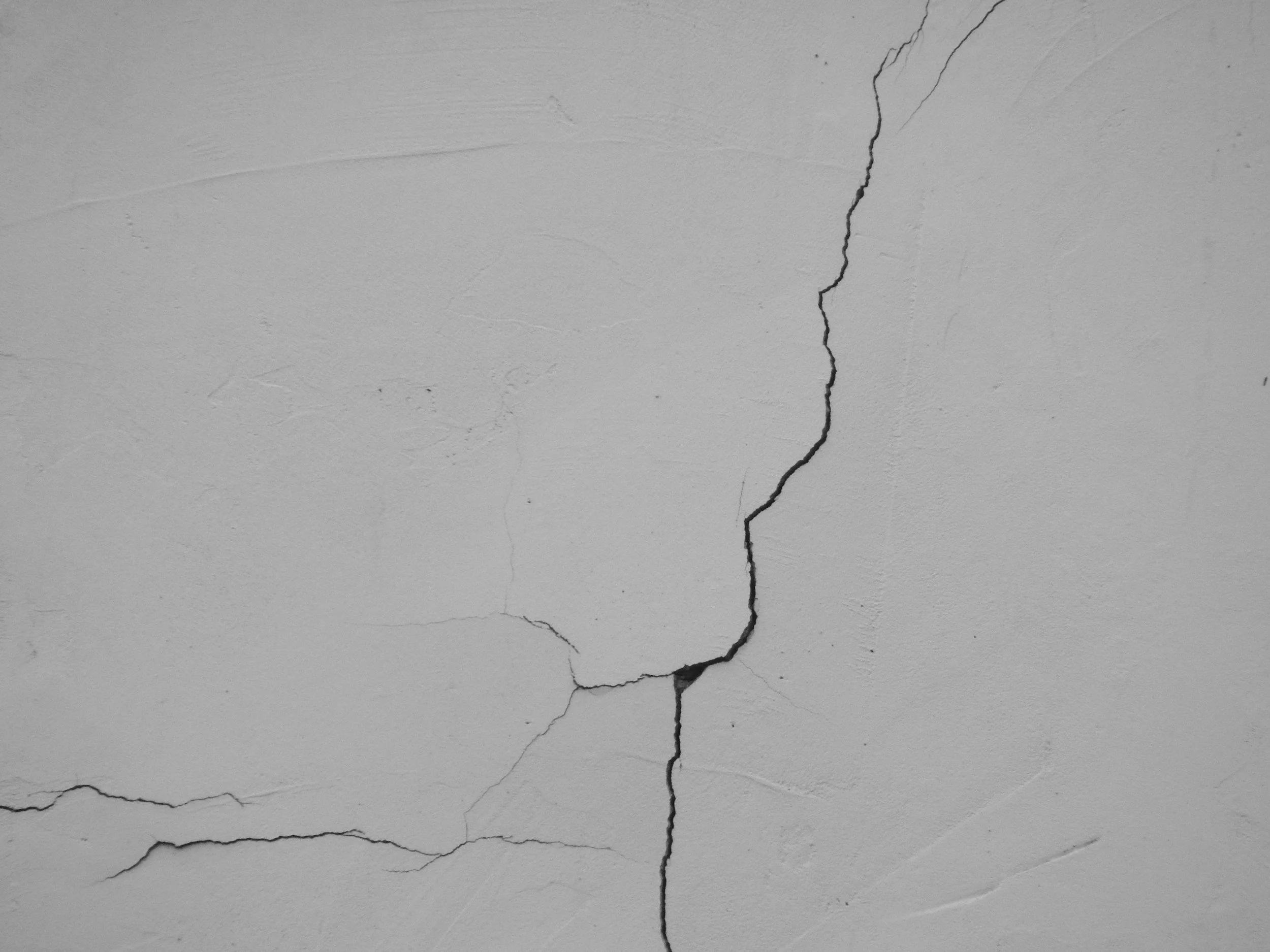
The Critical Phase: How to Repair Cracks in Industrial Concrete Before Applying Epoxy
In the industrial flooring world, there is a common saying: "An epoxy floor is only as good as the slab it’s bonded to." You can invest in the highest-grade, 100% solids epoxy resin on the market, but if you apply it over an improperly prepared, cracked, or unstable slab, the system will fail.
For high-traffic warehouses and manufacturing plants, crack repair isn't just a cosmetic step, it’s a structural requirement. Epoxy is a rigid material. If the underlying concrete moves or if a crack continues to "telegraph" through the coating, the epoxy will eventually delaminate, chip, and peel. This guide explores the professional-grade methods for diagnosing and repairing industrial concrete cracks to ensure a lifetime of performance from your epoxy investment.
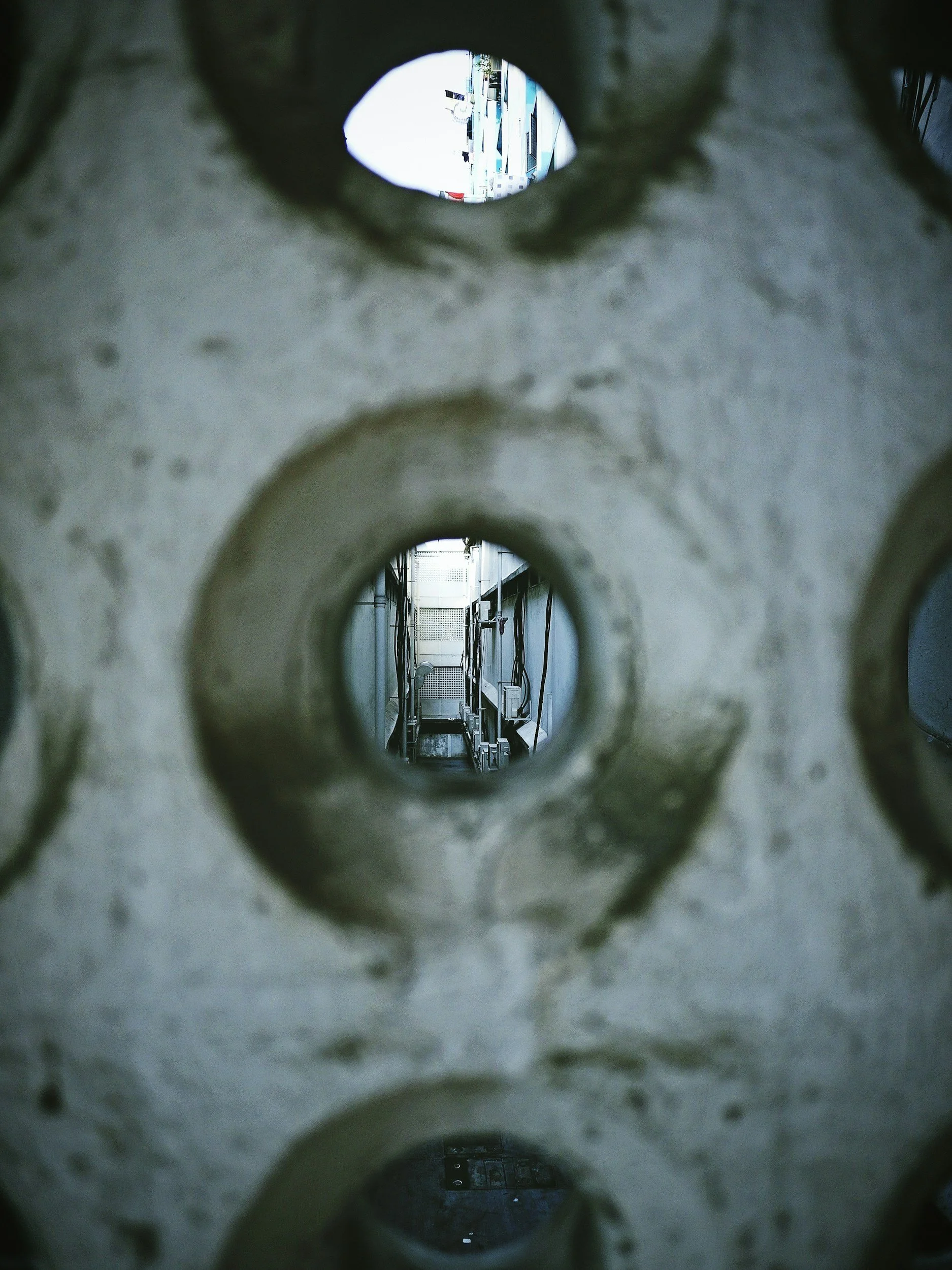
Deep Hole Core Drilling: Challenges and Solutions for Thick Industrial Slabs
In the residential world, a "deep hole" might be four inches through a brick wall. In the industrial world, we are often tasked with drilling through 18-inch thick reinforced warehouse slabs, 3-foot thick machinery foundations, or even 5-foot thick containment walls in power plants.
Deep hole core drilling defined generally as any penetration exceeding 12 inches introduces a set of physics-based challenges that standard drilling cannot handle. As the hole gets deeper, the friction increases, the cooling efficiency decreases, and the risk of "bit wandering" skyrockets.
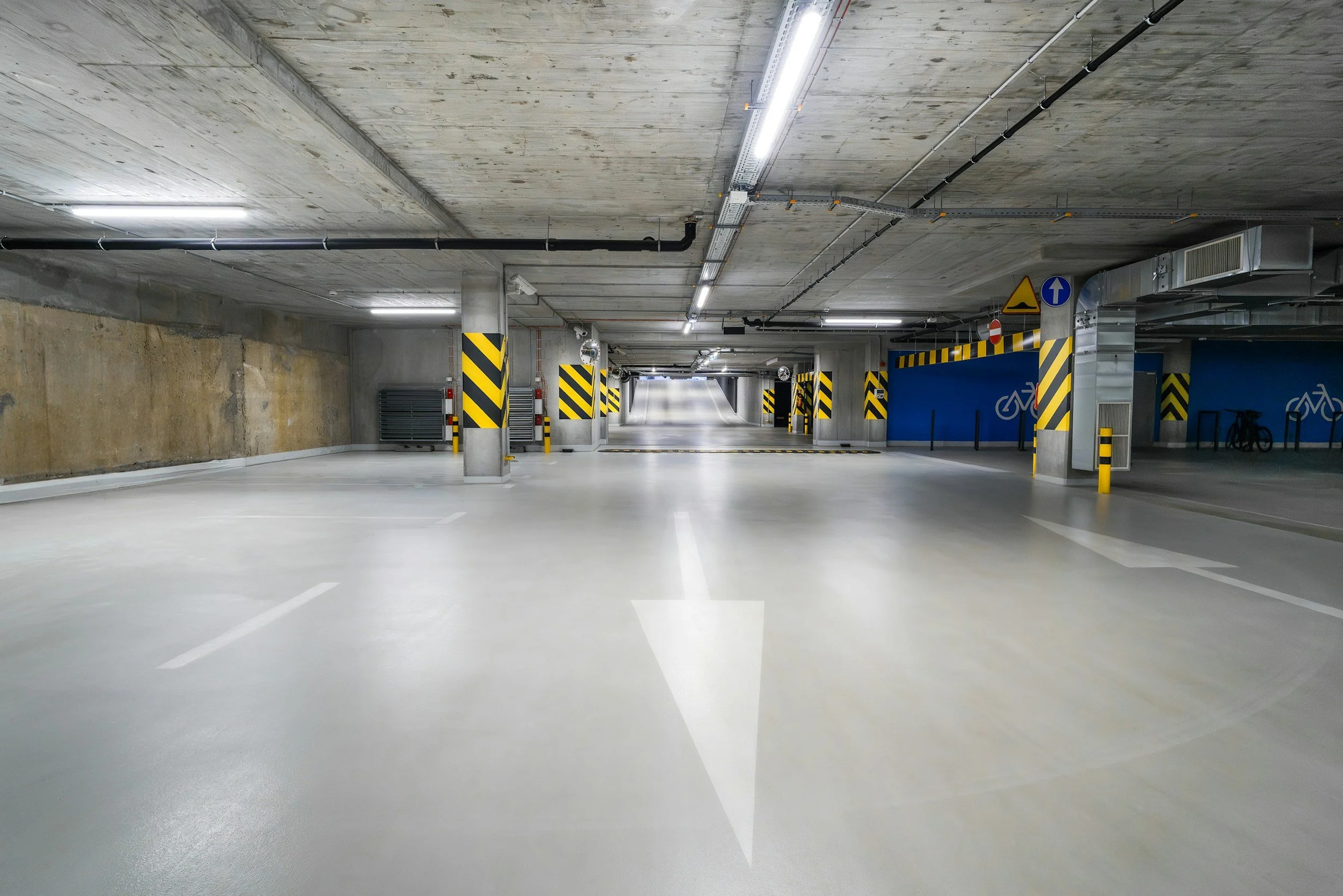
Epoxy Floor Coating vs. Polyaspartic: Pros and Cons
Choosing the right floor coating system is a critical decision for warehouses, manufacturing plants, distribution centers, and other commercial facilities. Floors are exposed daily to forklift traffic, pallet movement, chemical spills, abrasion, and moisture. Two of the most commonly compared systems are epoxy floor coating and polyaspartic coatings. While both are designed to protect concrete, they perform very differently depending on the environment, usage demands, and long-term expectations. Understanding these differences is essential to selecting a flooring system that delivers durability, safety, and value over time.
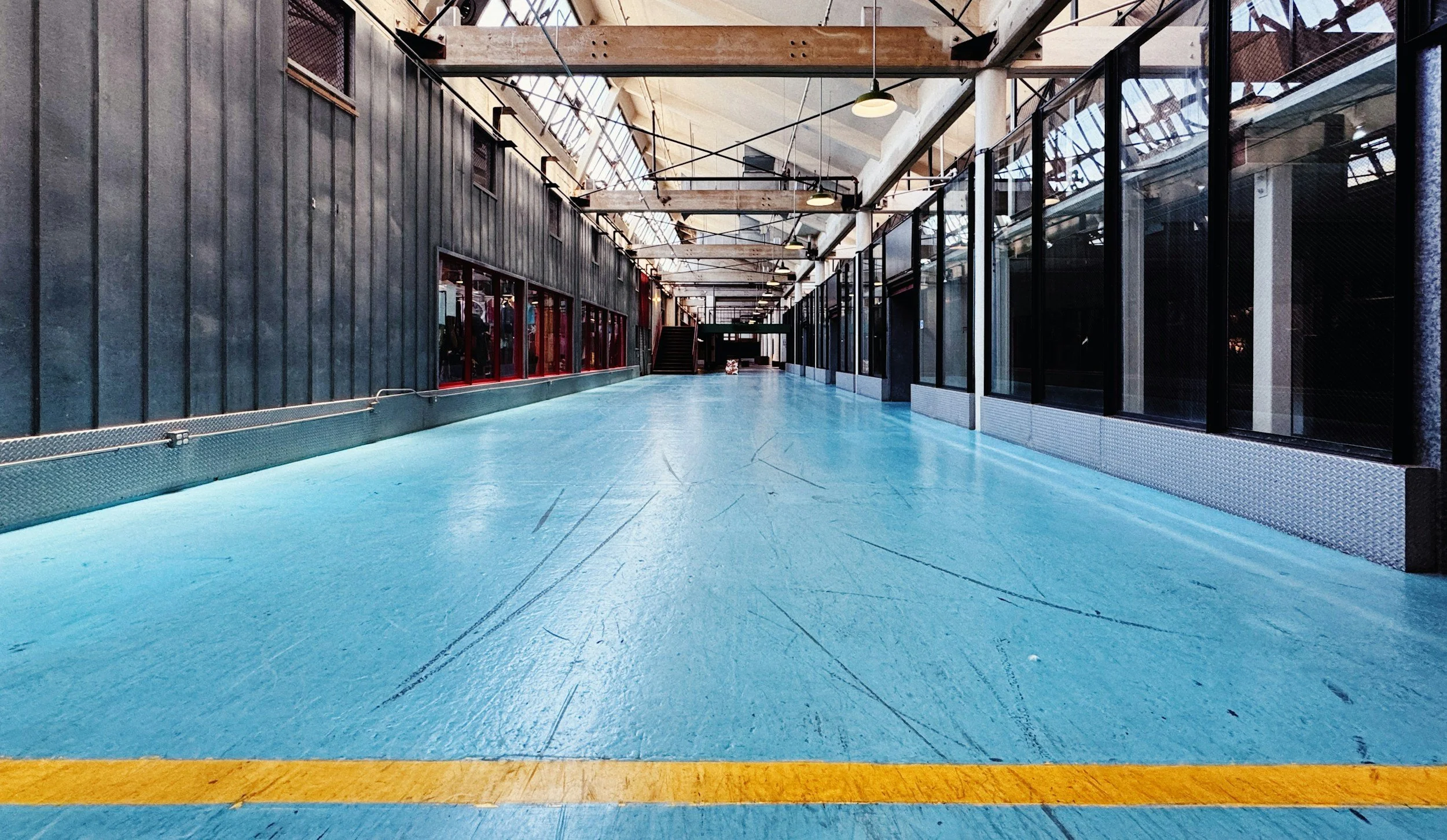
Concrete Grinding & Sealing vs Epoxy Floors: Which Is Right for You?
Concrete floors are a foundational element in warehouses, manufacturing facilities, and other commercial environments. Over time, exposure to heavy traffic, moisture, abrasion, and chemical spills takes a toll on untreated concrete, leading many facility owners to explore protective flooring solutions. Two of the most common options are concrete grinding and sealing and epoxy floor systems.
While both approaches aim to protect and extend the life of concrete, they serve different purposes and perform differently depending on how the space is used. Choosing the right solution requires understanding how each system works, what problems it solves, and where it performs best.
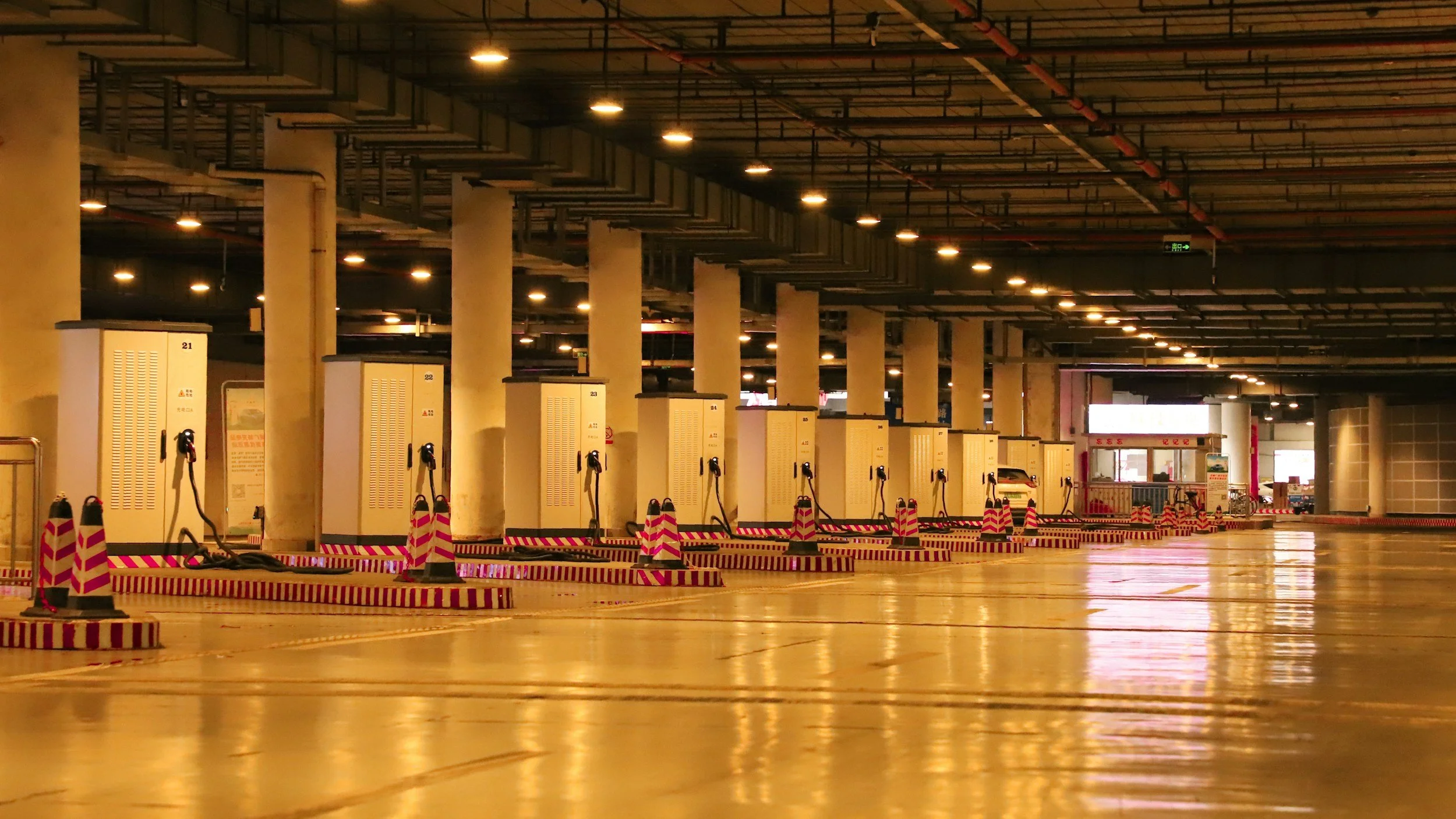
Top 5 Benefits of Commercial Epoxy Floor Coatings for Industrial Facilities
Commercial and industrial floors endure constant abuse from heavy equipment, forklift traffic, chemical exposure, and daily operational wear. Over time, untreated or poorly protected concrete floors deteriorate, creating safety hazards, maintenance issues, and unnecessary downtime.
A commercial epoxy floor coating is one of the most effective solutions for protecting concrete floors in industrial facilities. When properly installed, epoxy coatings transform raw concrete into a durable, seamless, and easy-to-maintain surface designed for demanding environments.

How to Plan a Loading Dock Alteration
Loading docks are critical interfaces for many businesses, and sometimes they need changes – perhaps to accommodate larger trucks, add more bays, raise/lower dock height, or modernize equipment.
A loading dock alteration is a construction project that can impact your facility’s operations and safety. Careful planning is essential to get the results you want with minimal downtime or surprises. In this guide, we’ll walk through how to plan a loading dock alteration step by step. Whether you’re considering enlarging a dock door, installing a new dock leveler pit, or reinforcing the dock for heavier loads, these planning tips will help ensure a successful project.

How to Plan a Warehouse Renovation Without Disrupting Operations
Warehouse renovation projects are often unavoidable. Aging buildings, evolving operational demands, safety concerns, and compliance requirements eventually require facilities to be upgraded. One of the biggest challenges, however, is maintaining productivity while construction work is underway.
With the right planning, sequencing, and coordination, a warehouse renovation can be completed without shutting down operations or creating unnecessary risk. This article outlines a structured approach to planning a warehouse renovation that protects workflow, safety, and efficiency throughout the process.
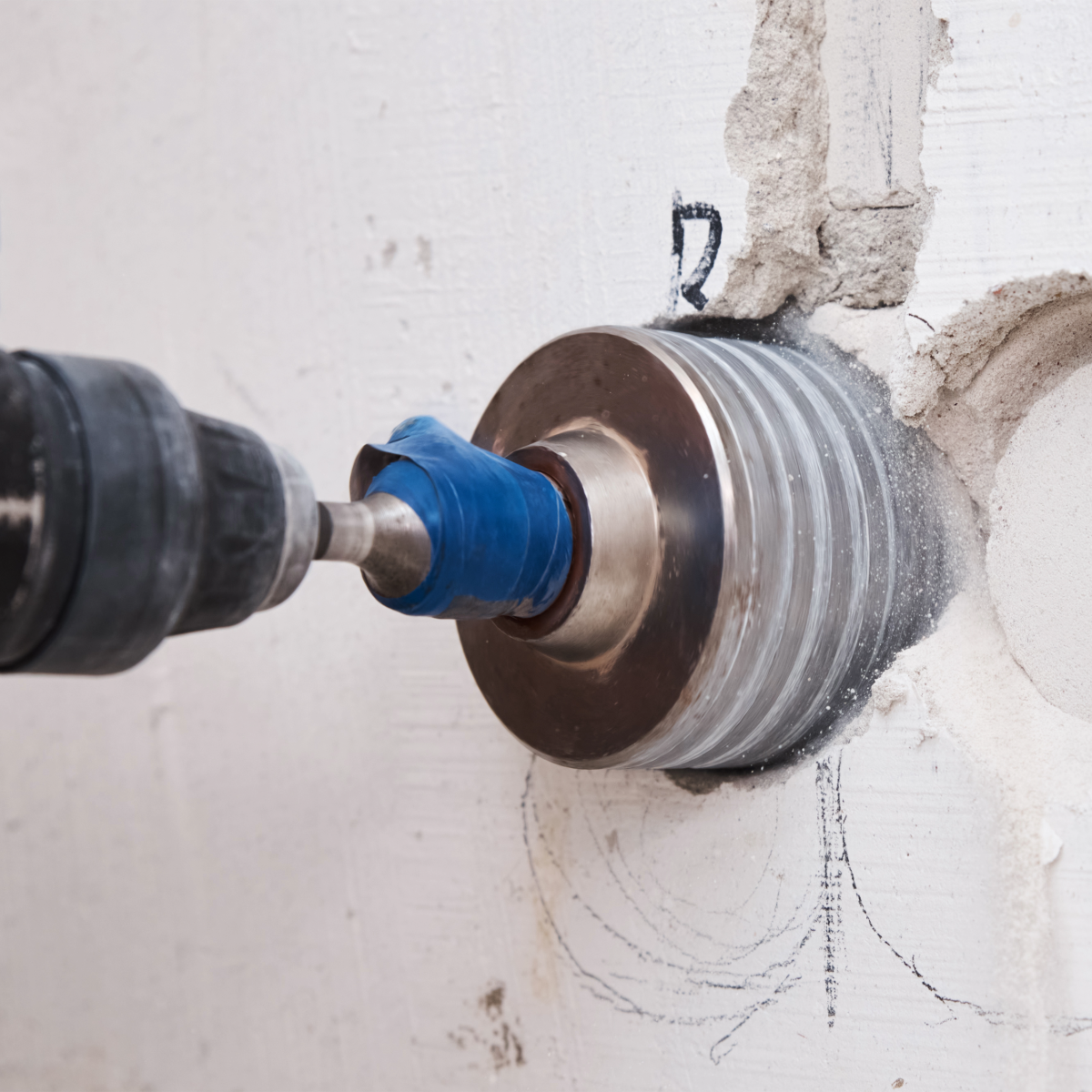
When You Will Need Concrete Core Drilling Services: 3 Common Situations
Concrete Core Drilling is more common and more essential than many property owners realize. Whether you’re renovating, installing new systems, or making structural upgrades, there will likely come a time when you need precise, professional drilling in your concrete floors, walls, or foundations. In this article, we’ll highlight three everyday situations where hiring expert Concrete Core Drilling services becomes necessary. Knowing when to call in the professionals ensures your project is completed safely, efficiently, and with the accuracy your building demands.
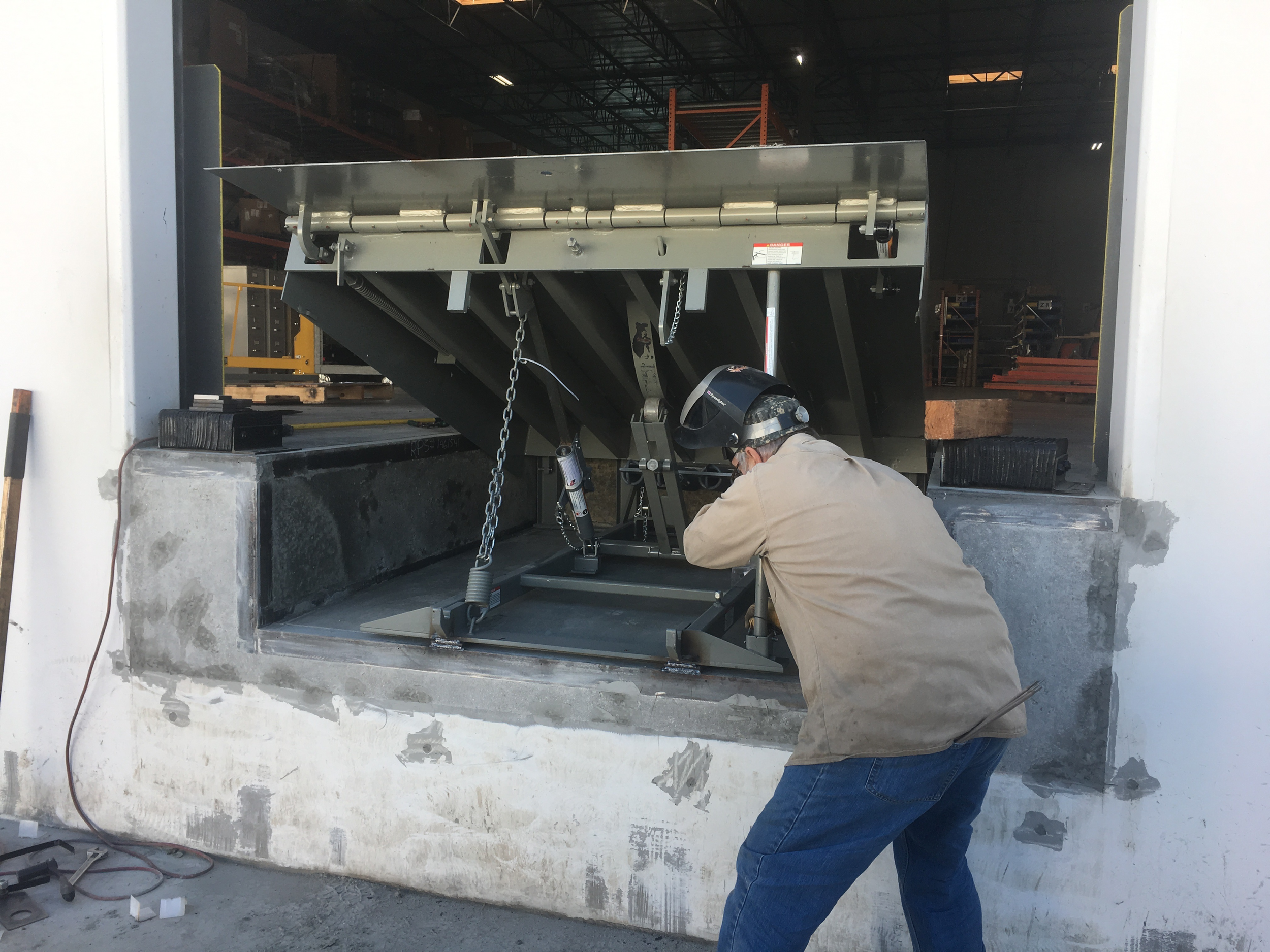
Dock Leveler Repair: Common Issues
Dock levelers play a crucial role in daily warehouse operations, allowing smooth transitions between facility floors and trailers. When they break down, it can stall productivity and create safety concerns. This article outlines the most frequent problems that affect dock levelers, along with practical repair tips and preventative steps to keep your loading area efficient and secure.
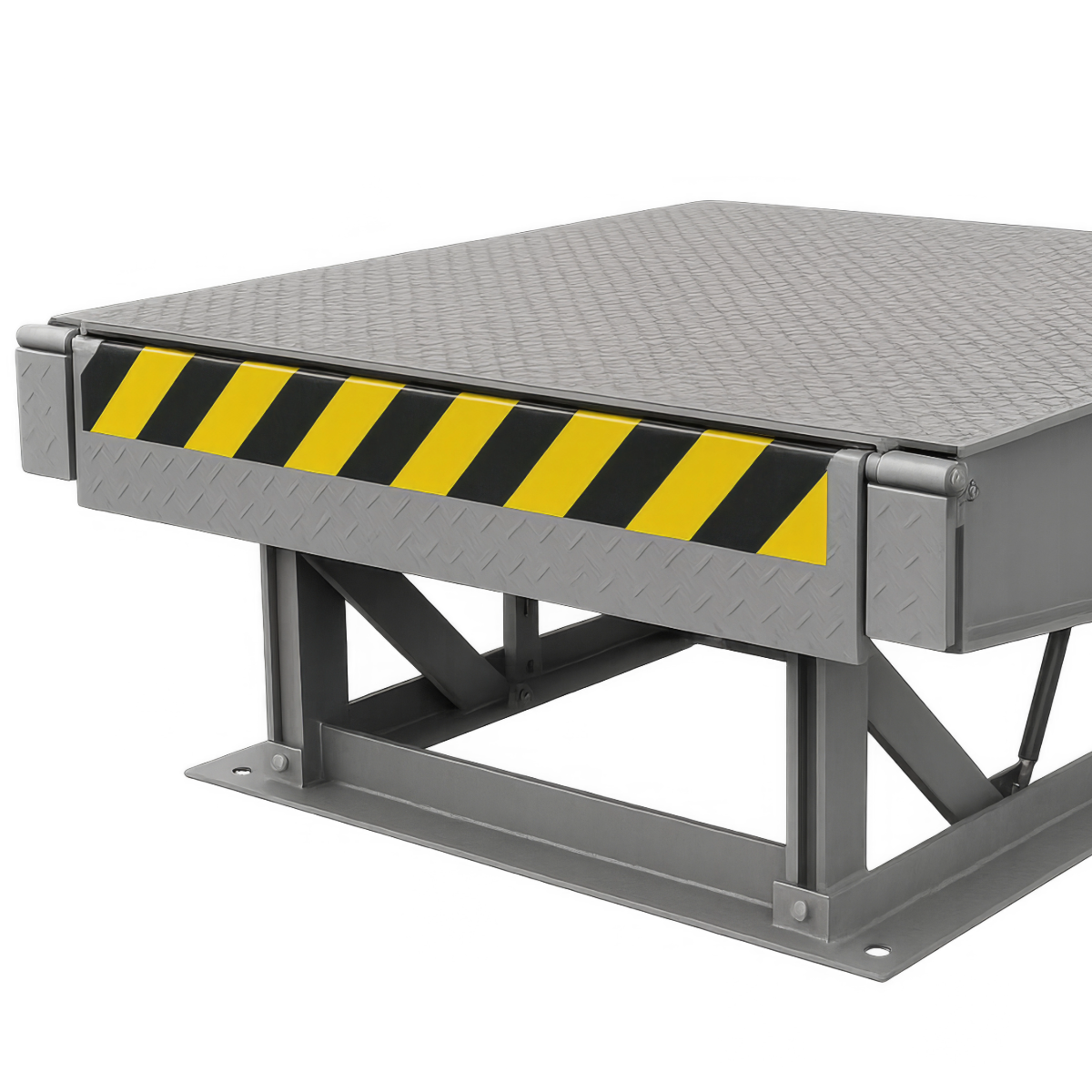
Dock Leveler Installation: How to Find and Vet Local Providers
Investing in a dock leveler plays a key role in enhancing both operational efficiency and workplace safety. Whether you're upgrading an outdated system or equipping a new facility, ensuring correct installation is vital. Improper setup can create safety risks, interrupt workflows, and result in expensive fixes later. That’s why it’s essential to choose a skilled local installer you can trust. This article outlines how to identify qualified providers and evaluate them before making a decision, so your dock leveler performs effectively from day one.
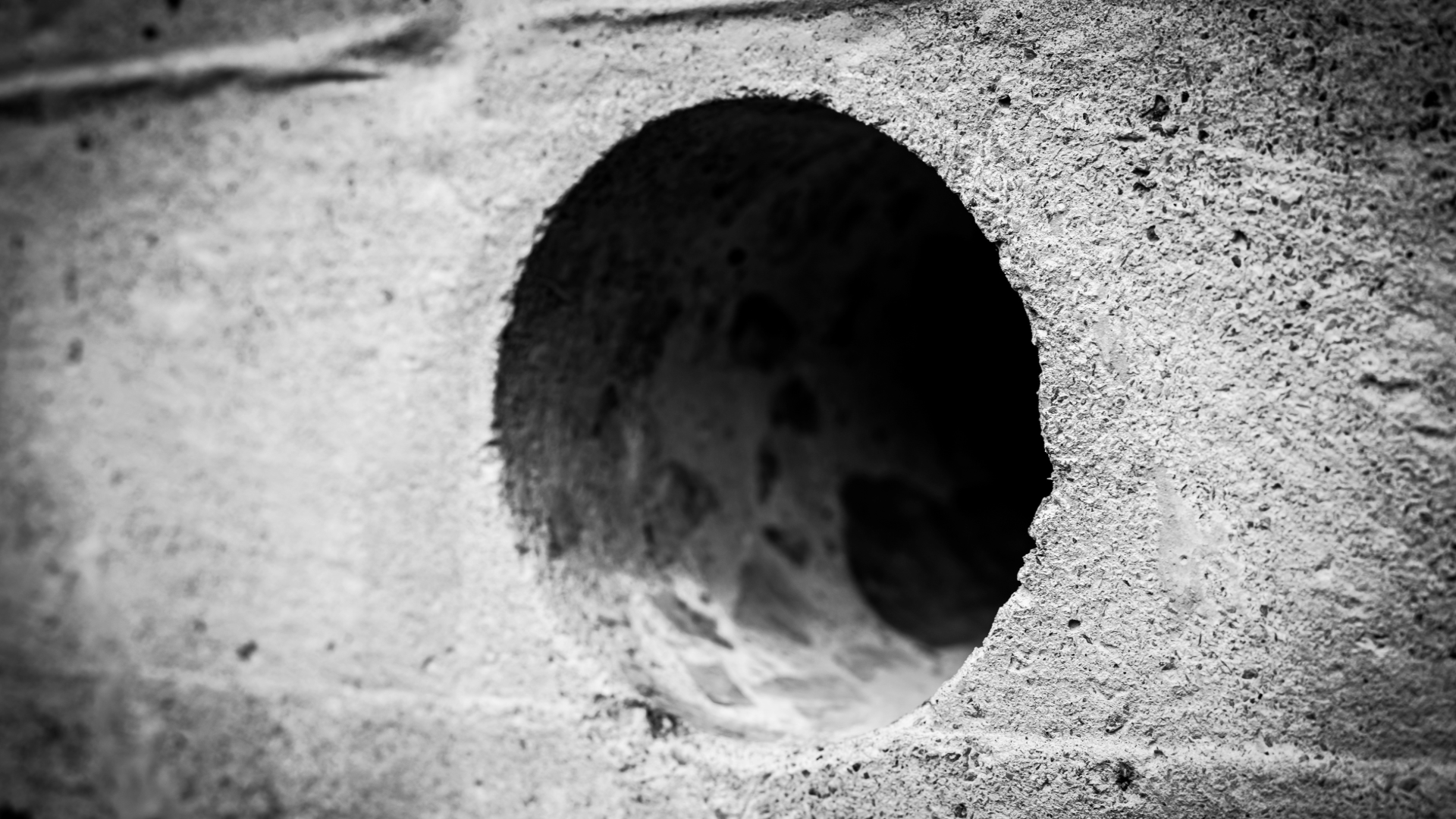
11 Tips for Concrete Core Drilling
In this guide, we present 11 tips for concrete core drilling that cover everything from planning and equipment selection to drilling technique and safety. These tips will help you get clean, accurate holes while prolonging your equipment life and avoiding common mistakes.
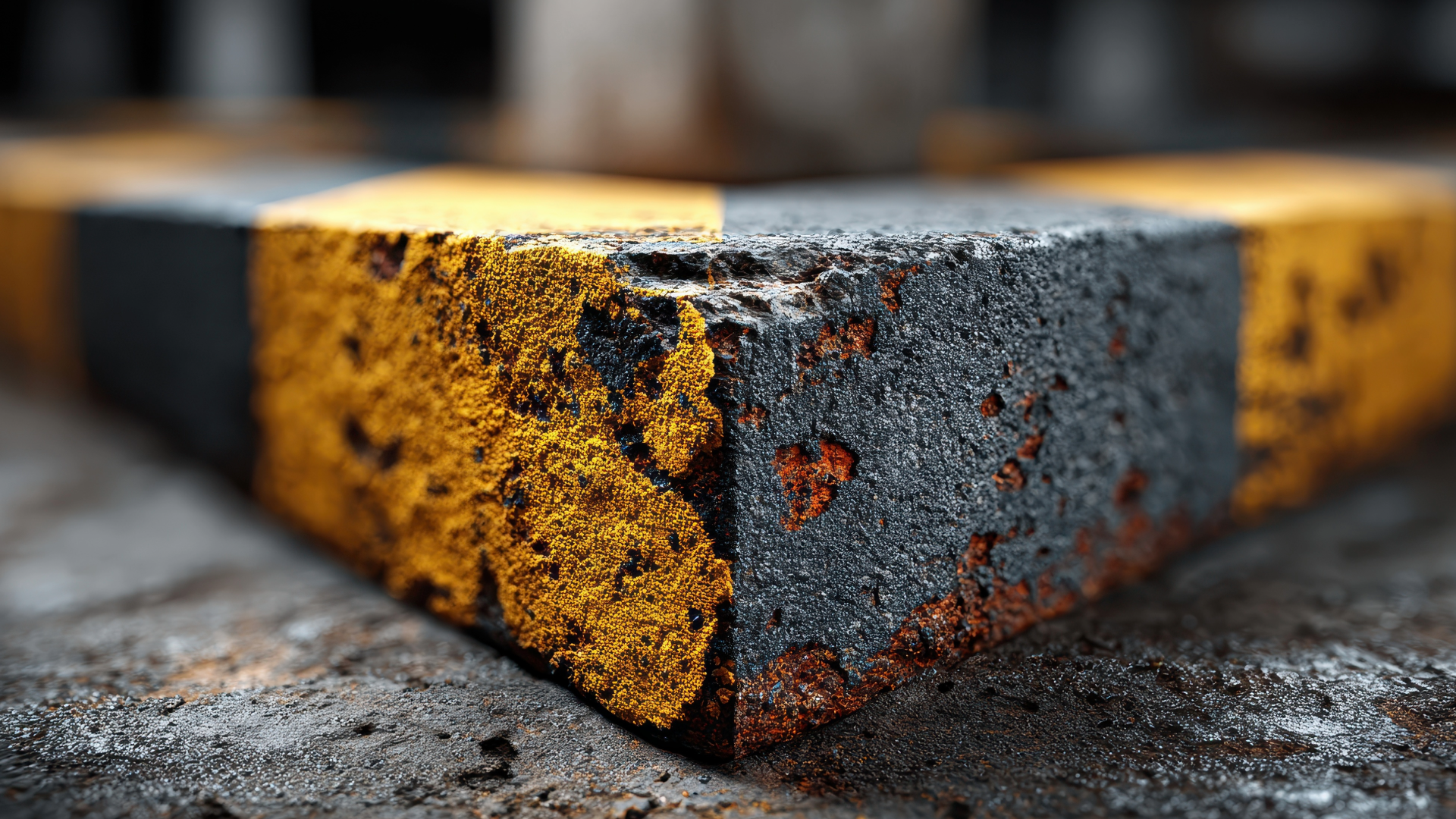
Top 30 Signs That Your Loading Dock Needs Repair
Loading dock repair is one of the most essential maintenance priorities for any commercial or industrial facility. The loading dock often works harder than almost any other part of your building, constantly handling heavy loads, frequent vehicle traffic, and exposure to harsh weather. It’s the point where motion, weight, and the elements all meet, creating a high-stress area that naturally wears down over time.